
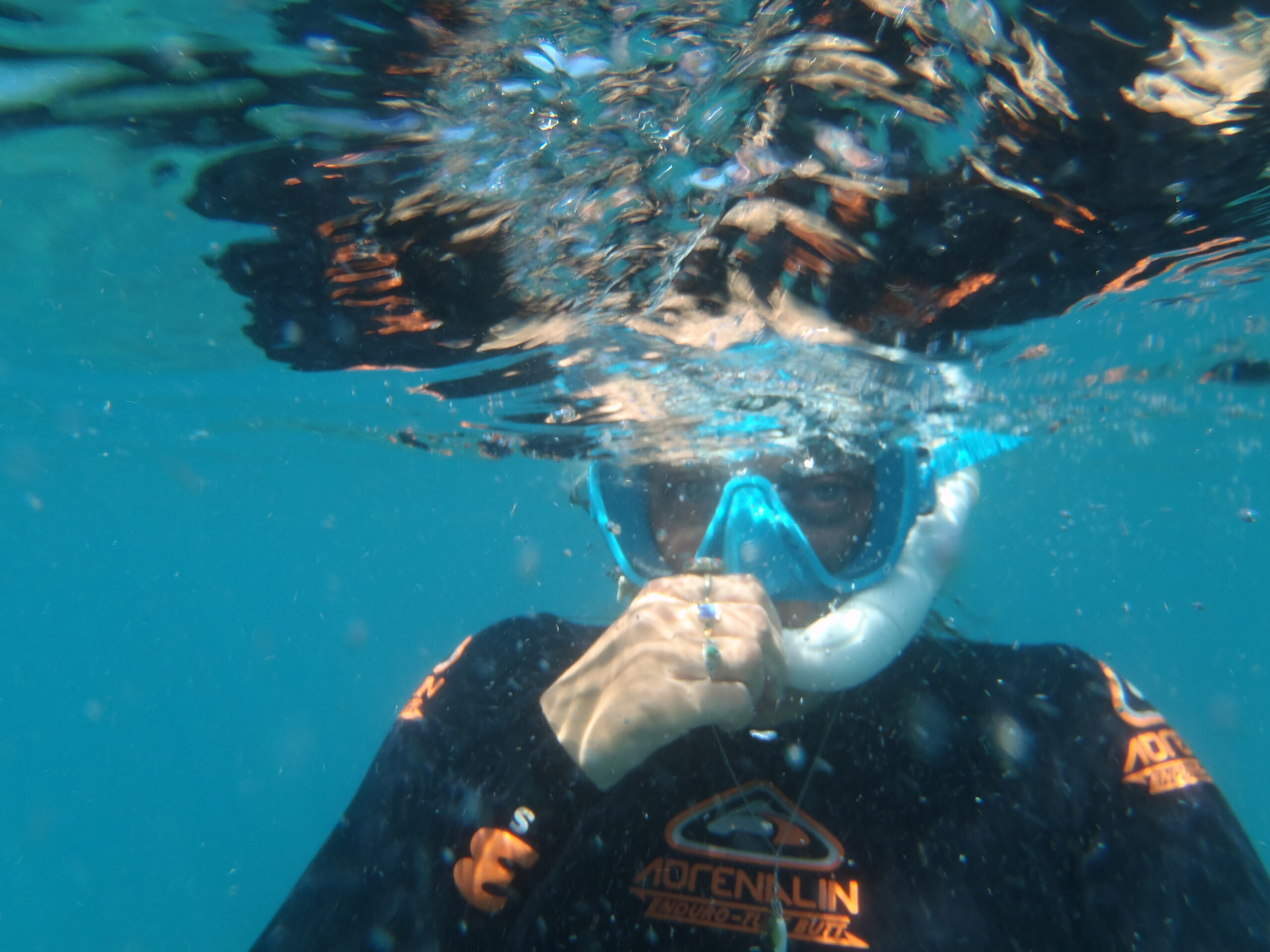
Self- Proclaimed Divemaster
While backpacking through Australia (as one does), a guy asked me what I’d been up to throughout my travels. I was filling him in on my time in Koh Tao, where I completed my Divemaster program. He squinted at me, nodded slowly, and repeated, ‘So… you’re a self-proclaimed’ master of diving?’
Urm… Not exactly no.
Though I found it both amusing and borderline offensive, I realised that not everyone speaks fluent scuba. Duolingo, step up your game! It became a running joke between my friends and me, who loved to tell everyone we met that I was a ‘self-proclaimed divemaster’. Making me sound like a self-entitled girl out on her ‘gap yarhhh’… So, please let me clarify things and walk you through what it takes to become a legitimate Divemaster (no self-proclamation required).
PADI Dive Certifications:
Think of scuba certifications like levelling up in a very wet, salty video game:
- Open Water: Entry-level certification. You will learn how not to panic when breathing underwater
- Advanced: intermediate certification. Adolescence, as I call it. You will gain more freedom in the underwater world and start exploring deeper, darker, weirder things.
- Rescue: Safety-focused certification. This is where things get a little more tricky. You will learn to save panicked divers, conduct search and rescues and learn how to identify an unconscious diver, bringing them up to the surface and towing them back to the boat safely. Make sure you’re partnered with a good buddy, as you will get VERY close and personal with them during equipment removal and safety breaths.
- Divemaster: Professional diving. The first pro-level. That’s right, I’m awarding myself the title of ‘pro diver’. You now have some responsibility for others. Welcome to ocean adulthood! You will lead ocean tours and become a glorified underwater babysitter.
- Instructor: The student becomes the teacher. You will teach others how to dive and start collecting speciality certifications, a costly and rewarding addiction.
Within all these levels, you can pick additional specialities to focus on, such as Wreck Diver or Self-sufficient diver, no buddy, no problem. You can tailor these options to suit the type of underwater chaos you desire.
So now that you know what each certification entails, you might be wondering: what does it actually take to earn that coveted Divemaster title? Well, let me walk you what my journey looked like.
Spoiler alert… It involved a lot of water, a little sweat and a fair share of ‘what have I gotten myself into?’ moments.
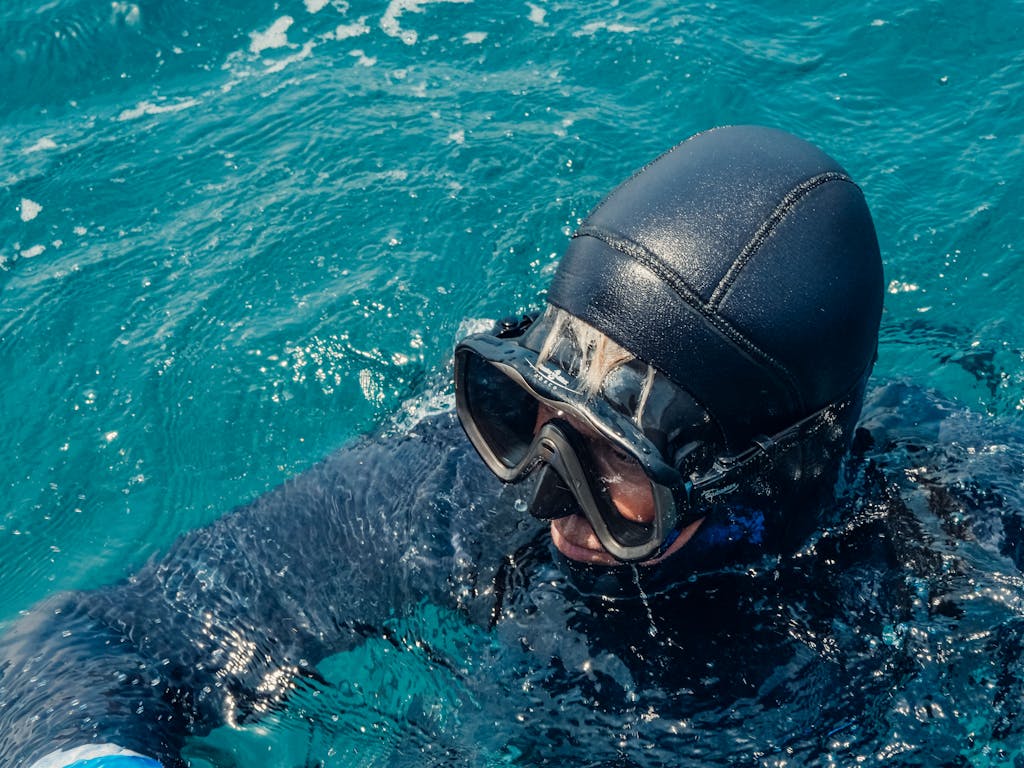
Have you got what it takes?
So, what does becoming a Divemaster actually involve?
Honestly? A whole lot. Think early mornings, heavy tanks, jelly legs, and the occasional existential crisis mid-dive. Becoming a diver means battling the elements, your nerves, and sometimes a mask full of mysterious “leaks” (totally not tears, of course). It’s intense, exhausting, and at times downright emotional. But also completely worth it, and I wouldn’t change a thing.
Because behind every skill mastered is a story. So if you’re wondering what it takes, here’s a glimpse into my journey:
Time commitment:
I arrived in Koh Tao with four dives under my weight belt, my Open Water certification and little experience diving. Now, chuck me my fins and a BCD, and I can comfortably lead a dive, identifying a variety of fish species and (sometimes) get you back to the boat! I went from Advanced to Divemaster in about 1.5 months. I had already booked my flight to Australia for the end of October, so I just needed to finalise it by then. However, the time frame enabled me to adopt a perfect dive-play balance, and between dive training, I did some island exploring, a whole lot of dancing at jungle parties and attempting to study at beach bars.
Specialties I picked:
- PPB (Peak Performance Buoyancy): AKA, the transition from looking like an out-of-control balloon to a majestic pro diver. Because according to Bob, the number one rule of diving is to ‘look cool’.
- Fish ID: No brainer, I am a marine biologist after all…
- Night Diver: Because diving in total darkness with only a torch is surprisingly really fun.
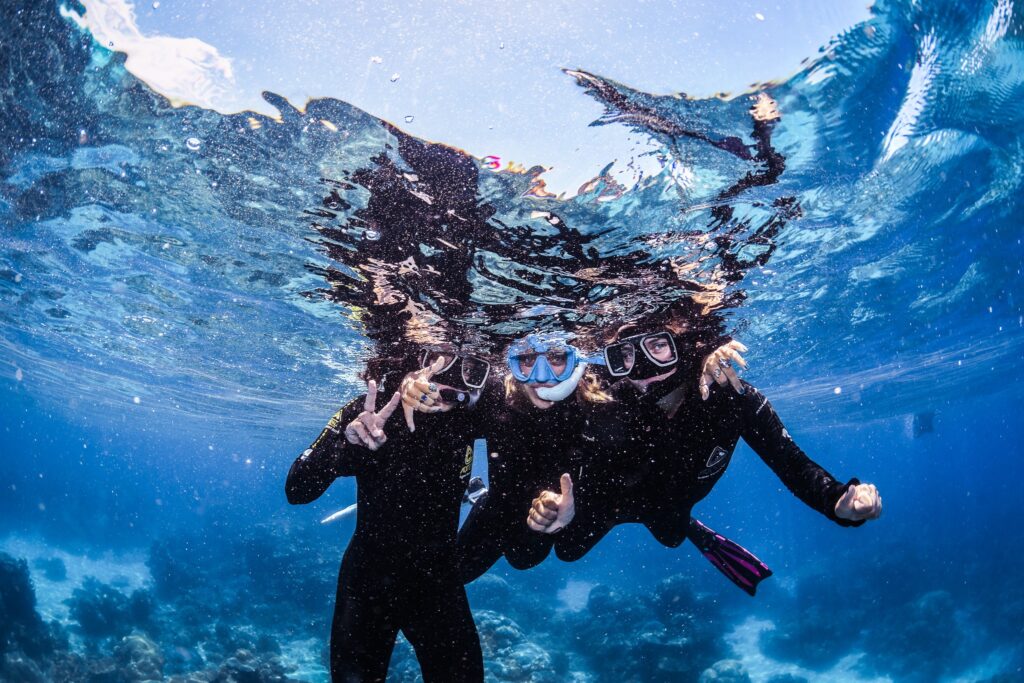
Training Highlights:
- Learning to lead dives: Yes, me. The girl with the world’s worst sense of direction and would get lost on runs around the small town I lived in my whole life.
- Navigating back to the boat (most of the time) with the occasional 24-minute surface swim…
- Conservation dives: oral taxonomy, underwater clean ups and weekly beach cleans. You’d be surprised at the amount of weird rubbish that washes up on a tourist beach… You don’t want to know.
- 7 AM pool skill session: Revisiting all Open Water skills until I perfected them.
The not-so glamorous parts:
The dreaded e-learning. An hour of staring at my laptop trying to memorise the buddy check (BWARF – BCD, Weight, Air, Releases, Final check).
The exams. Yes, plural. But don’t worry, if you can tell your left from your right and that air is needed for breathing underwater. You’ll ace them!
Favourite Moment(s): Just pick one!
- Spotting my first whale shark and watching my buddy plough through his air with excitement. It was an incredible (yet short) dive.
- Getting caught in a surprise strong current and surface swimming for 24 minutes, with a standing ovation from everyone else on the dive boat.
- Perfecting underwater gossip and hand signals. Essential for two best friends who want a secret debrief about the last night out.
- Gaining confidence underwater and being able to go on ‘fun dives’ to some incredible spots with friends.
- Snorkel test: A fun night to celebrate completing your divemaster course. Lots of tasks and a fair few beers… It was one of my favourite nights out on the island.
- Realising that no two dives are ever the same. That’s the beauty of it… The unknown..
PADI: Put Another Dollar In:
My friend and I were talking about the meaning behind PADI. That’s when he presented his interpretation of this catchy abbreviation… PADI. Put Another Dollar In. I was cackling. During his rant about the extortionate price of diving and how he perceived this industry to be just a glorified pyramid scheme, I found myself thinking and looking at my own dwindling bank balance. He had a point. How could I fund such an expensive and addictive hobby? I thought the air was free?!
Well you’ll be pleased to know there are a few loopholes to avoid declaring bankruptcy…
Budget-friendly Tips for Aspiring Divemaster’s:
- Dive school internships: Get in contact with dive schools and see if there are any options to do work for them in exchange for getting your dive certifications. You’ll be working hard, rinsing gear and hauling tanks, but you’ll also be racking up dives without racking up debt.
- Volunteering: Some marine conservation projects offer free or discounted courses in return for your time, sweat and tears…
- Location, Location, Location: Save your pound (dollars or euros) by training somewhere tropical and affordable. Thailand, Indonesia and the Philippines offer quality training at a fraction of Western prices.
- GROW UP: If this is something you’re dying to do, suck it up and save! Skip a few iced mocha choca lattes and get yourself to the ocean. Trust me, it’s worth EVERY penny.
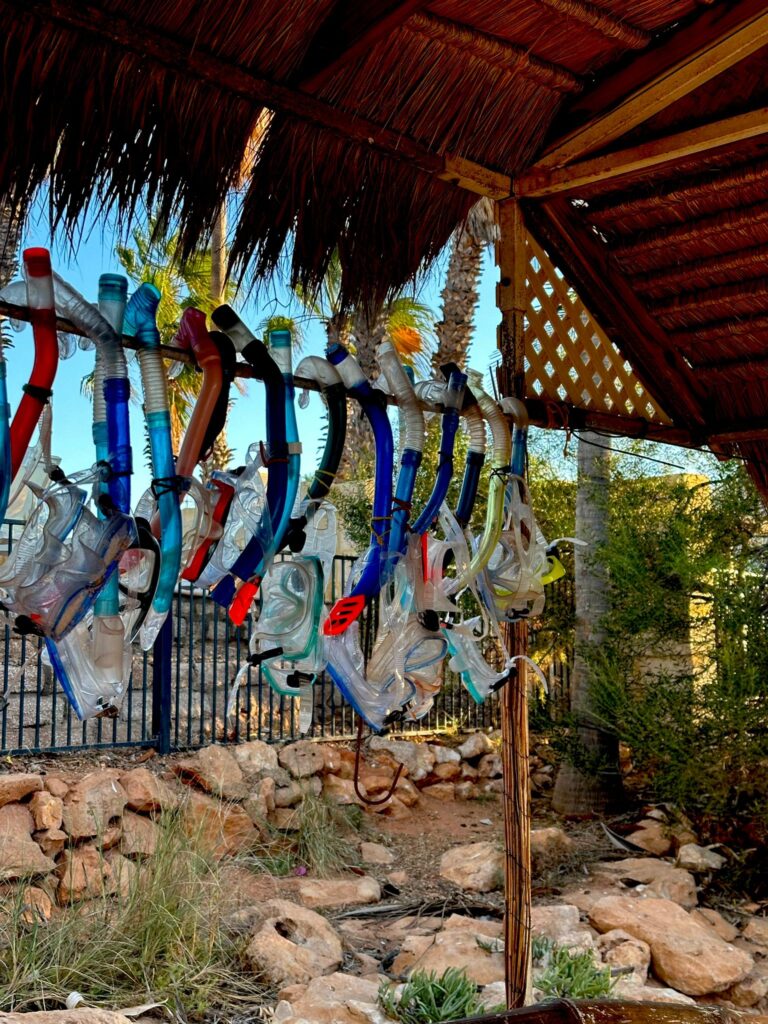
Surfacing thoughts:
Becoming a Divemaster has been life-changing. I gained confidence, skills and another excuse to talk about the ocean… constantly. Whether you’re in it for the adventure, the marine life, or just permanent bragging rights- GO FOR IT!
Trust me: the ocean is calling, and you’re going to answer, preferably with a regulator still in your mouth!
Now add ‘Learning to scuba’ to your bucket list. You won’t regret it! And when you get to Divemaster level, I fully permit you to call yourself a ‘self-proclaimed master of diving’. Maybe keep that one for late-night bathroom mirror pep talks…
Do you have any questions about diving or the Divemaster journey, or would you like to share your own dive experiences? Drop them in the comments below, get in touch on our Instagram page, or email me at … I’d love to hear from fellow ocean lovers. And if you want to dive deeper into more stories, tips and dive-related adventures, don’t forget to follow the blog. Let’s make this journey together, one dive at a time!


https://shorturl.fm/tmiw0
https://shorturl.fm/3kRlF
https://shorturl.fm/kdVX8
https://shorturl.fm/UKoN7
https://shorturl.fm/7ofJg
https://shorturl.fm/m0lFU
https://shorturl.fm/Hc4x5
https://shorturl.fm/vDPVP
https://shorturl.fm/BBFly
https://shorturl.fm/ujpho
https://shorturl.fm/Xwrug
https://shorturl.fm/2X2C4
777szcomlog has all sorts of games to try! I’ve been spending hours exploring. Good variety and decent payouts, so far so good 777szcomlog.
Betânia Esporte? Brazilian sports betting’s the best! Found some good bets here, especially on Serie A games. Give it a go if you’re feeling lucky. Check it out here: betânia esporte
S888 – solid platform. The games are fun and payouts are relatively quick. Could use a bit of an update, but hey, can’t complain too much! Give S888 a go: s888
XEvil 5.0 automatically solve most kind of captchas,
Including such type of captchas: ReCaptcha-2, ReCaptcha-3, Google, SolveMedia, BitcoinFaucet, Steam, +12000
+ hCaptcha, FC, ReCaptcha Enterprize now supported in new XEvil 6.0!
+ CloudFlare TurnsTile, GeeTest captcha now supported in new XEvil 7.0!
+ XEvil 7.0 was released! ReCaptcha v2 solving speed increased x2!
+ XEvil can solve captchas from OpenClaw AI bot!
1.) Fast, easy, precisionly
XEvil is the fastest captcha killer in the world. Its has no solving limits, no threads number limits
2.) Several APIs support
XEvil supports more than 6 different, worldwide known API: 2captcha, anti-captcha (antigate), rucaptcha, DeathByCaptcha, etc.
just send your captcha via HTTP request, as you can send into any of that service – and XEvil will solve your captcha!
So, XEvil is compatible with hundreds of applications for SEO/SMM/password recovery/parsing/posting/clicking/cryptocurrency/etc.
3.) Useful support and manuals
After purchase, you got access to a private tech.support forum, Wiki, Skype/Telegram online support
Developers will train XEvil to your type of captcha for FREE and very fast – just send them examples
4.) How to get free trial use of XEvil full version?
– Try to search in Google “Home of XEvil”
– you will find IPs with opened port 80 of XEvil users (click on any IP to ensure)
– try to send your captcha via 2captcha API ino one of that IPs
– if you got BAD KEY error, just tru another IP
– enjoy! 🙂
– (its not work for hCaptcha!)
WARNING: Free XEvil DEMO does NOT support ReCaptcha, hCaptcha and most other types of captcha!
XEvil 5.0 automatically solve most kind of captchas,
Including such type of captchas: ReCaptcha-2, ReCaptcha-3, Google, Solve Media, BitcoinFaucet, Steam, +12000
+ hCaptcha, FC, ReCaptcha Enterprize now supported in new XEvil 6.0!
+ CloudFlare TurnsTile, GeeTest captcha now supported in new XEvil 7.0!
+ XEvil 7.0 was released! ReCaptcha v2 solving speed increased x2!
+ XEvil can solve captchas from OpenClaw AI bot!
1.) Fast, easy, precisionly
XEvil is the fastest captcha killer in the world. Its has no solving limits, no threads number limits
2.) Several APIs support
XEvil supports more than 6 different, worldwide known API: 2captcha, anti-captcha (antigate), rucaptcha, death-by-captcha, etc.
just send your captcha via HTTP request, as you can send into any of that service – and XEvil will solve your captcha!
So, XEvil is compatible with hundreds of applications for SEO/SMM/password recovery/parsing/posting/clicking/cryptocurrency/etc.
3.) Useful support and manuals
After purchase, you got access to a private tech.support forum, Wiki, Skype/Telegram online support
Developers will train XEvil to your type of captcha for FREE and very fast – just send them examples
4.) How to get free trial use of XEvil full version?
– Try to search in Google “Home of XEvil”
– you will find IPs with opened port 80 of XEvil users (click on any IP to ensure)
– try to send your captcha via 2captcha API ino one of that IPs
– if you got BAD KEY error, just tru another IP
– enjoy! 🙂
– (its not work for hCaptcha!)
WARNING: Free XEvil DEMO does NOT support ReCaptcha, hCaptcha and most other types of captcha!