
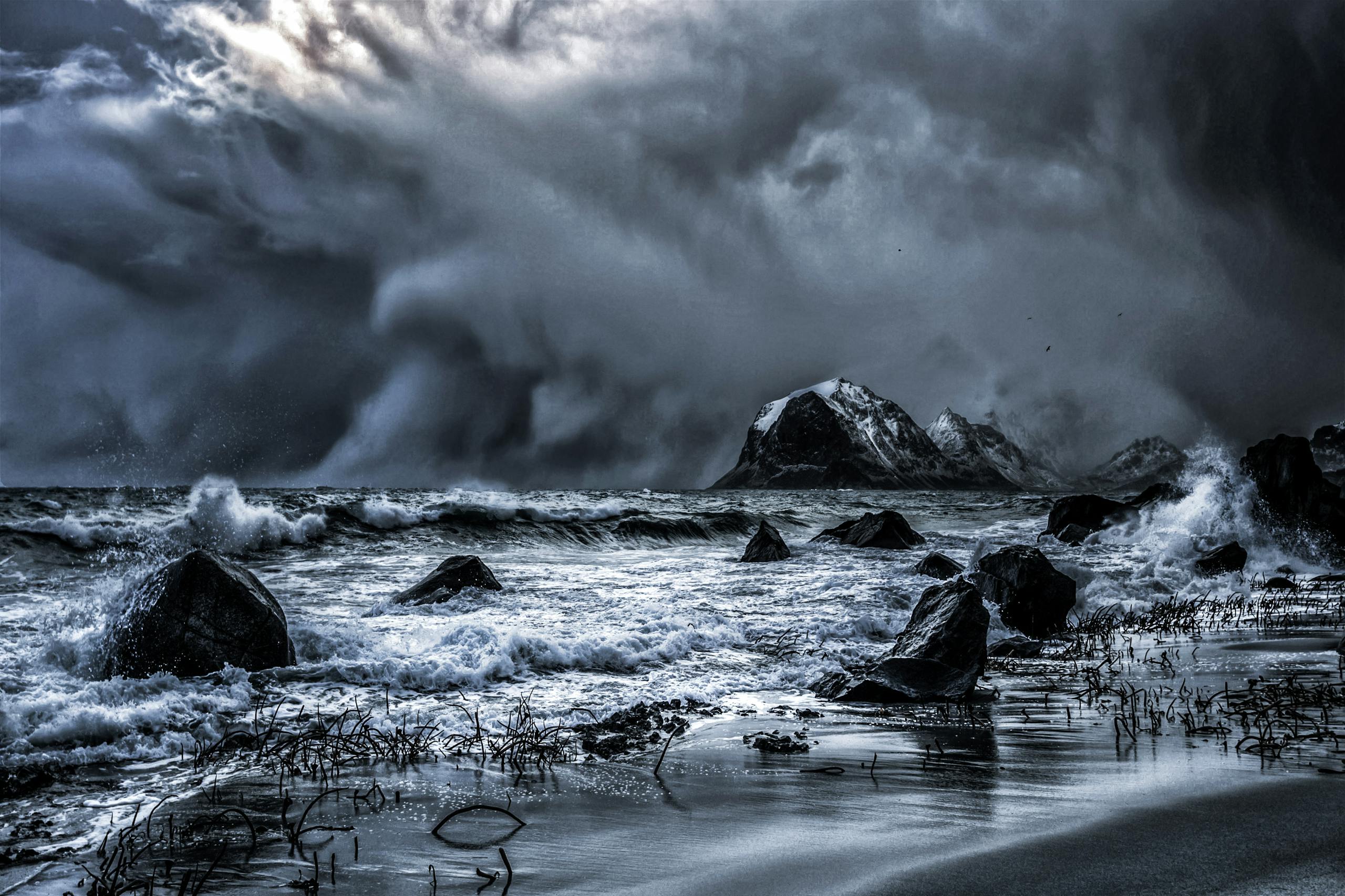
Monsters of the Deep: The Real Creatures Behind Sea Legends
When sailors vanished without a trace and shadows moved beneath the waves, humans did what they do best: invented monsters. But the truth? The ocean’s real creatures are even stranger than the myths. On this week’s blog post, we’re debunking the ‘monsters’ of the deep and uncovering the fascinating reality behind these legendary sea stories.
The Kraken vs. The Giant Squid
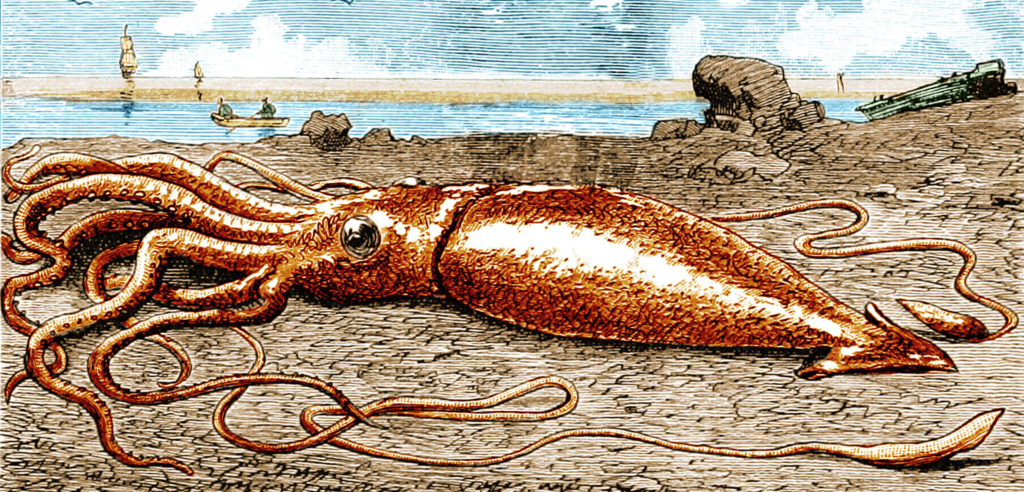
Hundreds of years ago, sailors trembled at the thought of the Kraken… a monstrous sea beast said to drag ships beneath the waves and snack on unlucky sailors for dessert. These tales spread through ports and taverns, growing with every retelling until the Kraken became one of the ocean’s greatest nightmares. Today, we know those legends likely stemmed from real encounters with the giant squid, Architeuthis dux, a creature that can stretch up to a mind-bending 18 metres long (that’s about the size of a school bus) and call the deep, dark ocean home. Despite its sheer size, it remains one of the most mysterious animals on the planet, rarely seen alive and often found only when washed ashore, half-eaten or tangled in fishing nets. Even now, much of its life, from how it hunts to where exactly it breeds, is still unknown.
The earliest written reference to the Kraken dates back to around 1180 in Scandinavian folklore, describing a colossal creature haunting the coasts of Norway and Greenland. Over time, sailors’ drunken storytelling sessions and deep-sea superstitions turned those rare glimpses into nightmare legends of ship-destroying monsters. To be fair, stumbling across a giant squid when you’ve had a few rums and zero marine biology knowledge would be horrifying, but was it really worth fabricating a whole new species?
The truth eventually surfaced in 1853, when scientists formally described the giant squid, proving that the so-called Kraken wasn’t entirely make-believe. Its size alone could spark fear; females can grow longer than males, with tentacles lined with suction cups armed with sharp, serrated “teeth” that leave circular battle scars on their only known predator: sperm whales. Some of those marks have even been found on whale skin, fuelling further intrigue about epic deep-sea duels happening thousands of metres below the surface.
While a modern squid probably wouldn’t waste its energy trying to sink a cruise ship, an encounter with a wooden vessel centuries ago might’ve ended differently. Those muscular tentacles could easily have damaged hulls, and with the depths these creatures inhabit (usually between 300 and 1000 metres) sightings were rare and fleeting. That mystery only deepened their legend. In fact, the first-ever video of a living giant squid wasn’t captured until 2012, off Japan’s Ogasawara Islands, nearly 900 years after the first Kraken stories emerged.
Even today, Architeuthis straddles the fine line between science and myth, proof that the ocean still keeps a few secrets up its sleeve (or, in this case, tentacle). The Kraken may have been born from fear, fascination, and a few too many sailor stories, but it endures as a reminder that sometimes, the truth lurking beneath the surface is just as wild as the legend itself.
Mermaids vs. Manatees & Dugongs
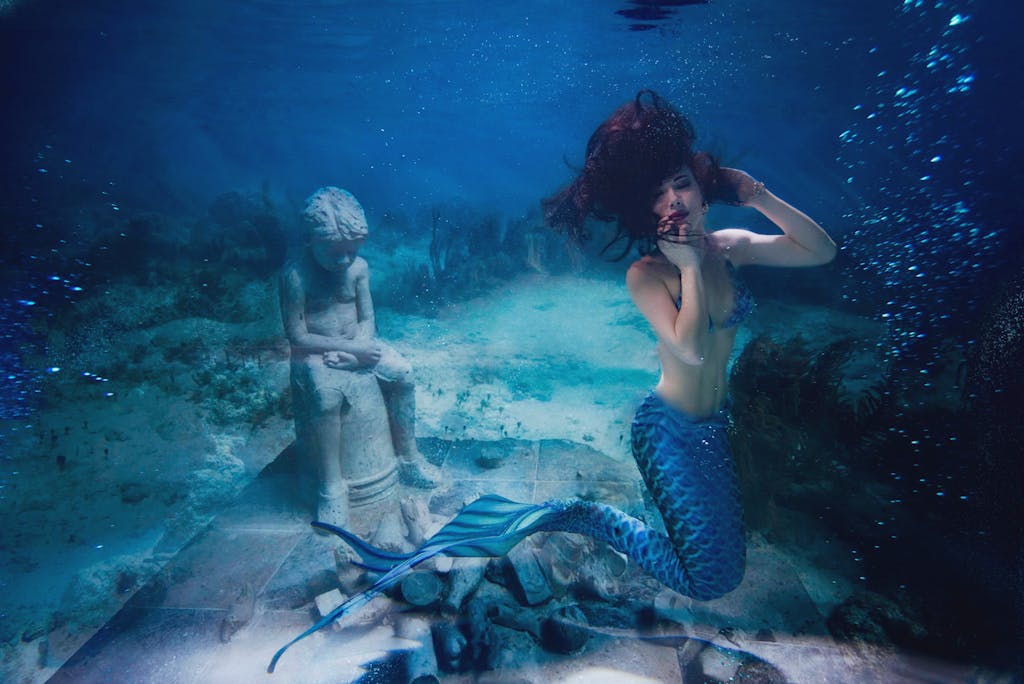
Mermaid folklore has been around for as long as people have been telling stories. Nearly every culture has its own version of the mysterious half-woman, half-fish figure, from glittering Disney princesses to tragic sirens dragging sailors to their doom. But where did these stories actually come from?
The earliest known mermaid tale comes from ancient Syria with the story of Atargatis, the Great Mother and fertility goddess connected to both earth and water. According to legend, Atargatis fell in love with a mortal man, but his human body couldn’t handle her divine power and he died accidentally. Heartbroken and filled with guilt after giving birth to their daughter, she threw herself into the sea. The ocean, enchanted by her beauty, refused to let her die and instead transformed her into a mermaid, half goddess and half fish. This ancient story is believed to be the world’s first mermaid myth and sparked centuries of fascination with these enchanting sea beings.
As stories travelled and evolved, mermaids took on many forms across cultures. In Europe, they were seen as omens of storms and shipwrecks. In Africa, water spirits like Mami Wata represented beauty, danger, and transformation. In Japan, tales of the ningyo spoke of fish-like beings whose flesh could grant immortality. Then much later, Disney softened the legend, turning the deadly siren of the deep into a curious redhead with perfect hair and questionable decision-making.
Ah, mermaids, beautiful, seductive, dangerous, unless you were a 17th-century sailor with six months of scurvy and fading eyesight. In that case, your “sea maiden” was probably a dugong.
Yes, the same slow, seagrass-munching relative of the manatee. Early explorers sailing through tropical waters often reported seeing “women of the sea” basking on rocks. Even Christopher Columbus claimed to have spotted mermaids off the coast of Haiti, though he admitted they were “not half as beautiful as painted.” Translation: he’d been at sea far too long.
With their round faces, large eyes, and soft, human-like chests, dugongs and manatees could easily be mistaken for something more mysterious when seen through heat haze and delirium. The reality, however, is far less romantic. These animals are gentle, curious, and completely unbothered, spending their days floating, grazing on seagrass, and releasing the occasional bubble or two after a big meal. Hardly seductive sirens of the sea, more like the ocean’s original chill cows.
Whether divine goddess or misidentified manatee, the mermaid remains one of humanity’s most enduring ocean myths. She represents both beauty and danger, mystery and transformation. And perhaps that’s why she still captivates us, a reminder that even in an age of science and satellites, the sea still holds stories we can’t quite explain.
Sea Serpents vs. Oarfish
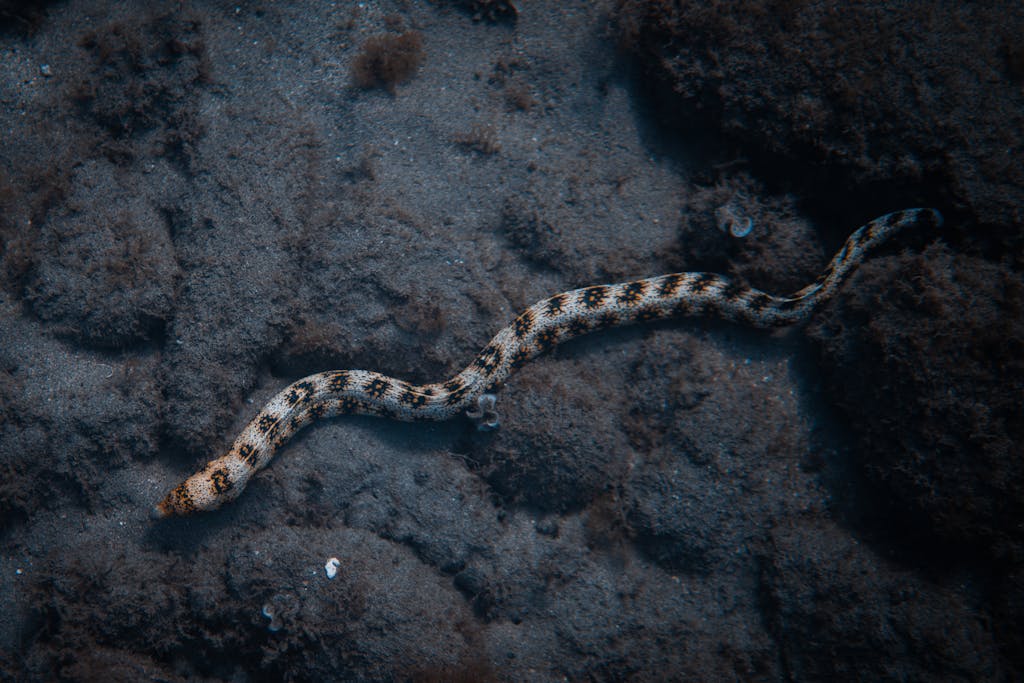
Few myths send shivers like the sea serpent, a monstrous, snake-like beast rising from the abyss. Long, glistening, and otherworldly, these creatures haunted sailors’ imaginations for centuries. Tales of oozing eyes, coils as thick as trees, and tails that could topple ships were warnings of the unknown.
Enter the oarfish, the world’s longest bony fish. These ribbon-like giants can stretch up to 11 metres, with a shimmering silver body and a crimson crest that looks straight out of a deep-sea nightmare. They live in the twilight zone, up to 1000 metres below the surface, making sightings rare. When they surface, often due to injury or illness, they thrash and shimmer like living lightning. For sailors, that was basically proof of monsters. Even today, beached oarfish can spark panic, especially in Japan, where they are seen as omens of earthquakes. The truth is far less terrifying: they are harmless plankton-feeders, rising from the deep only when currents force them, not to curse us, but to remind us how little we truly know about the ocean.
Ghost Ships & Bioluminescence
Glowing waters. Phantom outlines of ships drifting through mist. Crewless vessels that vanish without a trace. Before electricity, sailors navigating dark seas called these eerie lights ghost ships. The truth? One of the ocean’s most magical natural phenomena: bioluminescence.
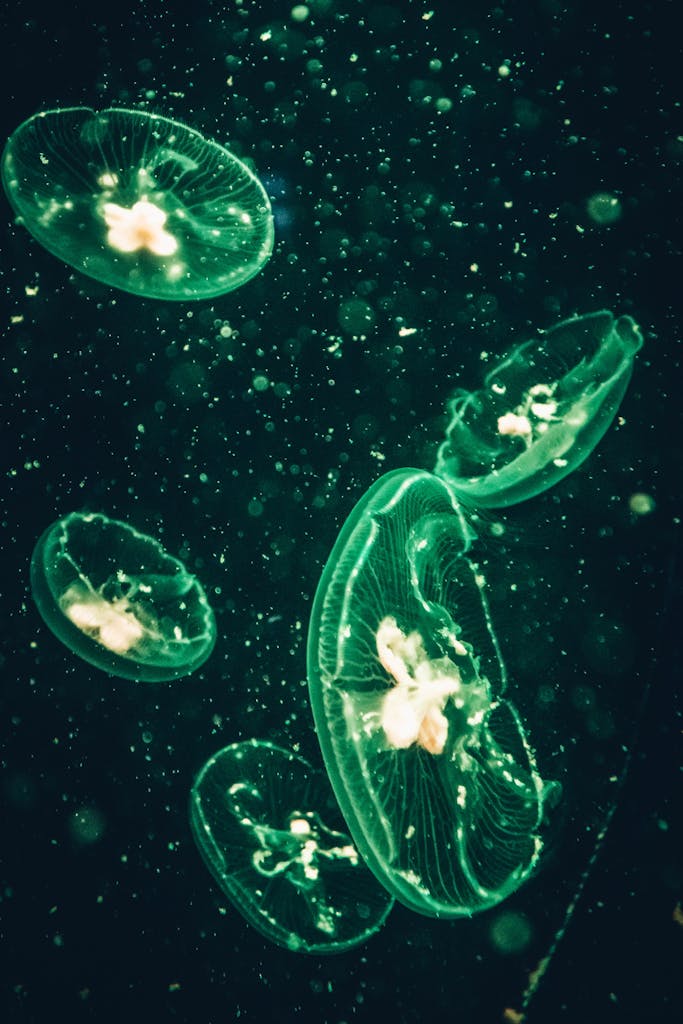
Certain plankton and jellyfish emit light through chemical reactions, essentially natural glow sticks. When waves or passing creatures disturb them, the water shimmers with an ethereal blue glow, illuminating everything nearby. To an exhausted sailor at 2 a.m., it must have looked like spirits rising from the deep. In reality, it’s just the ocean putting on a show, a reminder that even in darkness, life pulses and glows in ways that are both beautiful and mysterious.
The real monsters…
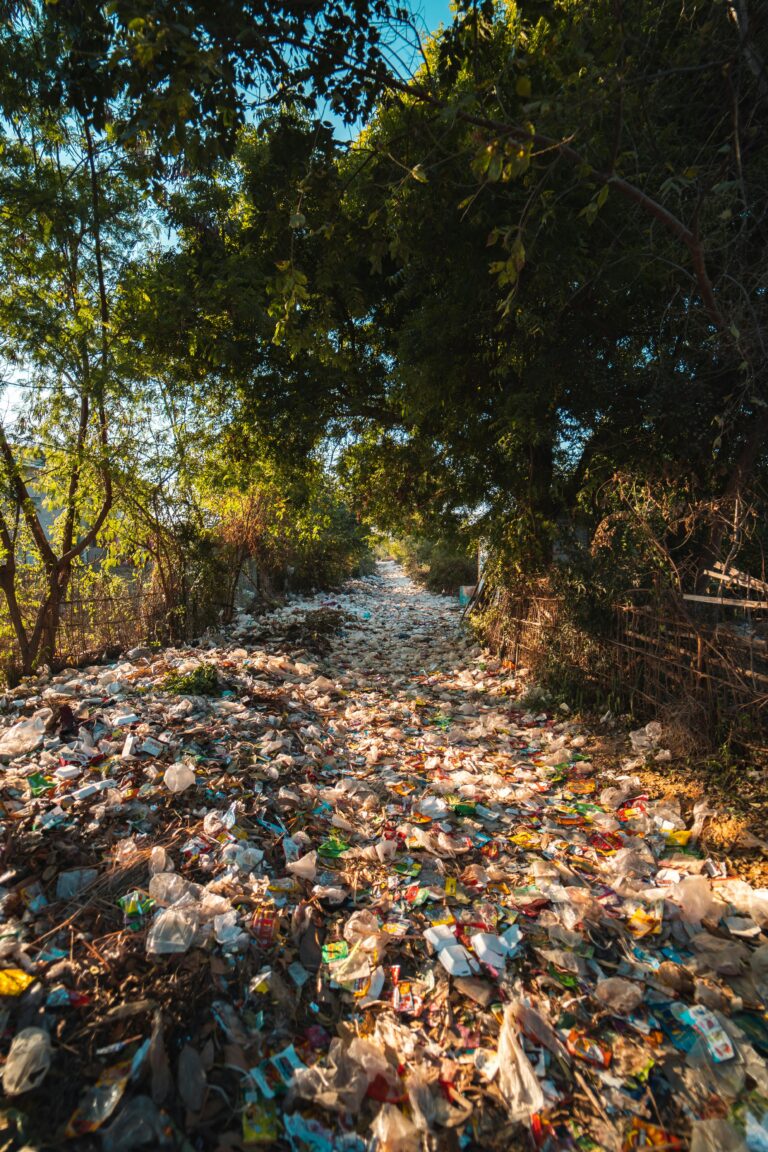
Maybe the real monsters aren’t lurking in the deep at all. Maybe they are the ones destroying it. Overfishing, plastic pollution, climate change, and deep-sea mining are wreaking far more havoc on marine life than any mythical Kraken ever could. The very creatures that inspired our nightmares are now the ones in desperate need of protection. The truth is simple: the ocean doesn’t need more myths. It needs more defenders, people willing to stand up for its life, beauty, and mystery.

https://shorturl.fm/DsnBX
https://shorturl.fm/yGjFx
https://shorturl.fm/RZIfP
https://shorturl.fm/taKVs
https://shorturl.fm/lOOm3
https://shorturl.fm/XGUoF
https://shorturl.fm/Rdn1V
https://shorturl.fm/3jSY7
hp сервисный центр москва [url=https://www.servis-hp-moskva.ru/]https://servis-hp-moskva.ru/[/url]
https://shorturl.fm/Bd3c1
https://shorturl.fm/EXpI2
https://shorturl.fm/4n9ef
https://shorturl.fm/FlafI
https://shorturl.fm/QSwqd
https://shorturl.fm/Vmocz
https://shorturl.fm/1fGX2
https://shorturl.fm/lSXPn
https://shorturl.fm/v82aX
The themes of Born of Trouble are explored with a depth and a nuance that is rare in modern fiction. This intelligent and thoughtful story is now available as a pdf. Delve into the complexities of morality and justice in this work. https://bornoftroublepdf.site/ Best Books To Read 2025 Free
If you want the Is This a Cry for Help PDF, download it here. This file is perfect. Get the copy today and enjoy. https://isthisacryforhelppdf.site/ Is This A Cry For Help Plot Summary
Special ability to earn $ASTER bonus https://is.gd/CGTnqR
The Controller’s library contains books that are dangerous to the state. Access the Brave New World PDF to see which texts are forbidden. It is a meta-commentary on the power of literature to disrupt the status quo.
The ending will make you want to restart the book immediately. The Book Thief PDF makes that easy. It is a circular experience where the end informs the beginning, rewarding re-reads and deep engagement with the text. https://thebookthiefpdf.site/ The Book Thief Pdf Free Online
Every book lover needs to experience this story about the love of books themselves. If you need a portable version, The Book Thief PDF is the ideal solution. It captures the essence of a time when paper and ink were dangerous, yet absolutely essential for survival.
The conditioned reflex is the basis of all education. The Brave New World PDF describes the methods used to program children. It is a frightening look at the potential misuse of behavioral psychology. https://bravenewworldpdf.site/ Brave New World Alduous Huxley Pdf
If you like your romance with a side of danger, this book delivers. The subplot involving Alex’s family history adds a thriller element that raises the stakes. Readers often search for the Twisted Love PDF to enjoy this blend of genres. The pacing keeps you on the edge of your seat, wondering if their love can survive the threats against them. It is a gripping read that combines the best elements of suspense and romance. https://twistedlovepdf.site/ Twisted Love Epub Onuploads
Twisted Love proves that the “brother’s best friend” trope can still feel fresh and exciting. The specific complications of Alex and Ava’s lives add new layers to the classic setup. If you need a new read, the Twisted Love PDF is a great option. The book is full of surprises that keep the plot moving. It is a modern romance that honors the traditions of the genre while forging its own path. https://twistedlovepdf.site/ Twisted Love Pdf Ana
There is a specific kind of magic in a story where the hero fights his feelings every step of the way, only to fall the hardest. This narrative arc is perfected in the story of Alex and Ava. If you want to experience this emotional journey, looking up the Twisted Love PDF is a common starting point for digital readers. The book explores themes of loyalty, betrayal, and the heavy burden of family expectations. Ana Huang creates a vivid world where the stakes are high and the emotions are higher, ensuring that you are emotionally exhausted – in the best way – by the end.
Earn passive income this month—become an affiliate partner and get paid!