
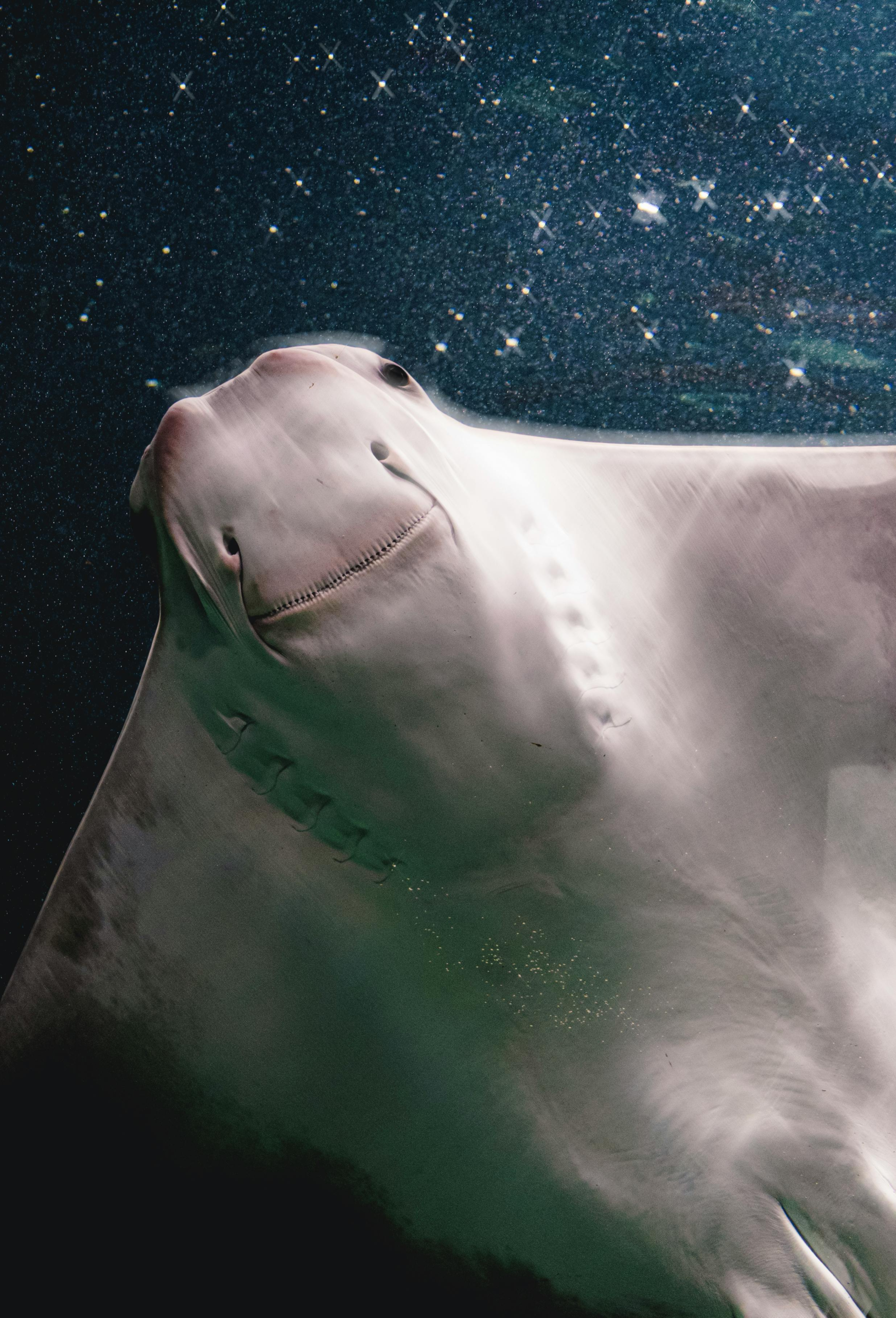
So much more than a sting: The secret lives of stingrays
Stingrays have been gliding through our oceans for over 150 million years, first appearing back in the Jurassic period. These ancient mariners belong to the elasmobranch family, which includes sharks, meaning they’re cartilaginous fish. In simple terms? They’ve got no bones, just bendy cartilage.
There are around 220 known species of stingrays, and new ones are still being discovered as scientists explore deeper and darker corners of the ocean. Stingrays are awesome, not just for their elegance, but because they play a crucial role in keeping marine ecosystems healthy and balanced.
So how did such a magnificent, eco-essential creature end up with a reputation so bad it’s feared more than sharks?
A Bad Reputation: What Went Wrong for Stingrays?
Let’s be real, when most people hear stingray, their minds immediately yell: “STEVE IRWIN KILLER!”
And yeah, fair enough. One tragic accident with an international legend was enough to get stingrays globally cancelled. After that, they were unfairly hunted and hated.
But here’s the truth: stingrays are not out to get us. They only use their venomous barb when they absolutely have to. That barb, made of keratin (the same stuff as your hair and nails), is serrated like a steak knife, and when used, it actually breaks off, leaving the stingray defenceless for months while it grows back. So, if anything, a stingray’s sting is its very last resort.
Fatalities from stingrays are extremely rare, even rarer than deaths from sharks, falling out of bed, or being crushed by a vending machine. In the past 200 years, there have only been five recorded fatalities in Australia, and most were due to incorrect first aid, not the sting itself.
Stingray First Aid 101:
If you ever do have an unfortunate encounter with a stingray, here’s what you need to know:
- Don’t remove the barb. Think of it like this: if you were stabbed, you wouldn’t pull the knife out yourself, right? The barb is serrated, and pulling it out can cause serious tissue damage.
- Soak the wound in the hottest water you can tolerate for 30 to 90 minutes. Heat helps denature the venom and ease the pain.
- Don’t pee on it. Ignore Joey from Friends, urine won’t neutralise venom. All it’ll do is get you some dodgy looks from fellow beachgoers.
And that’s it. Stingray First Aid 101: complete. Simple, effective, and bladder-free.
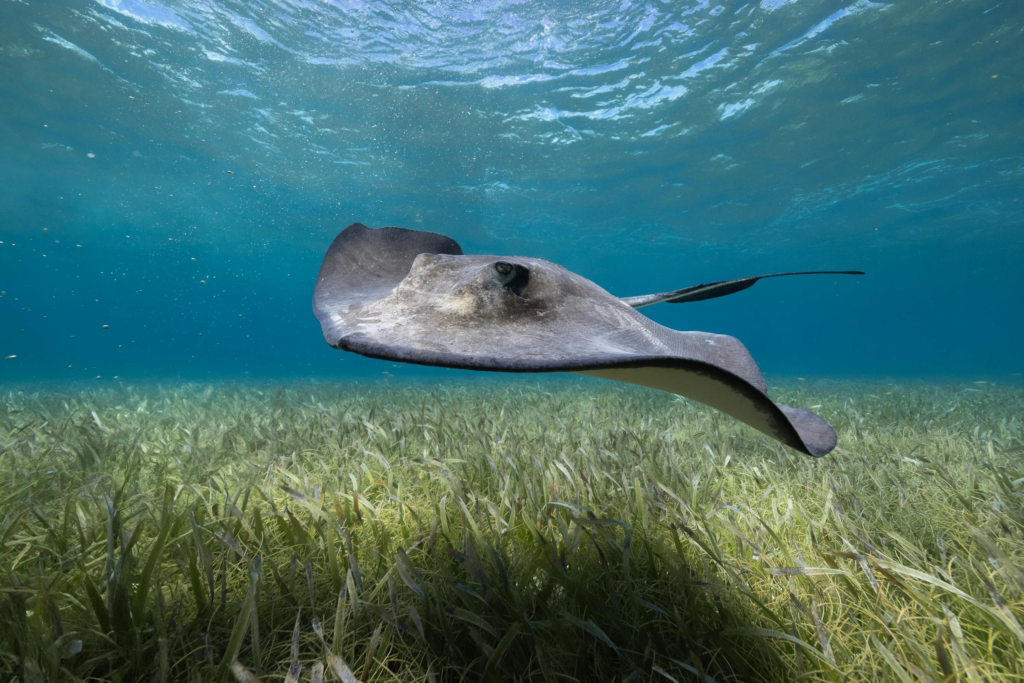
Skin Deep: The Science of Shagreen
Stingray skin, or shagreen, is a fascinating bit of natural design. It’s made of two layers, a fibrous collagen-rich underside, and a top layer covered in thousands of tiny, hard nodules that act like built-in armour.
In history, shagreen was prized for its texture and durability. Japanese samurai used it for sword hilts, Turkish warriors for armour, and by the 18th century, it became the it material for luxury décor, even Madame de Pompadour had it in her home.
So, why do stingrays feel slimy? Their skin is coated in a mucus membrane made of about 80% water and 20% snot-like goo. It’s actually a biological superpower. This slippery shield:
- Acts as a barrier against pathogens in the ocean
- Contains antimicrobial and antibacterial proteins
- Aids in wound healing and immune regulation
- Reduces friction, keeping them streamlined as they glide
- Protects their skin when they’re buried in sand
Unfortunately, climate change and warming oceans are disrupting this delicate mucus microbiome. The bacteria that keep their skin healthy are breaking down, leaving stingrays more vulnerable to disease, much like a sleep deprived student in the height of freshers week.
Spiracles: The Stingray’s Built-In Snorkels
If you’ve ever noticed the small holes behind a stingray’s eyes, those are spiracles. They act like mini snorkels, letting the ray draw in water for respiration even while buried under sand. They can also spit out unwanted bits of food or debris, making them both a breathing and a filtration system in one. A pretty cool mechanism, but incredibly frustrating for a novice aquarist trying to dish out stingray vitamins, most of which are recollected during end-of-day dive scoops… Thanks, Frizzle, one of the aquarium rays I cared for.
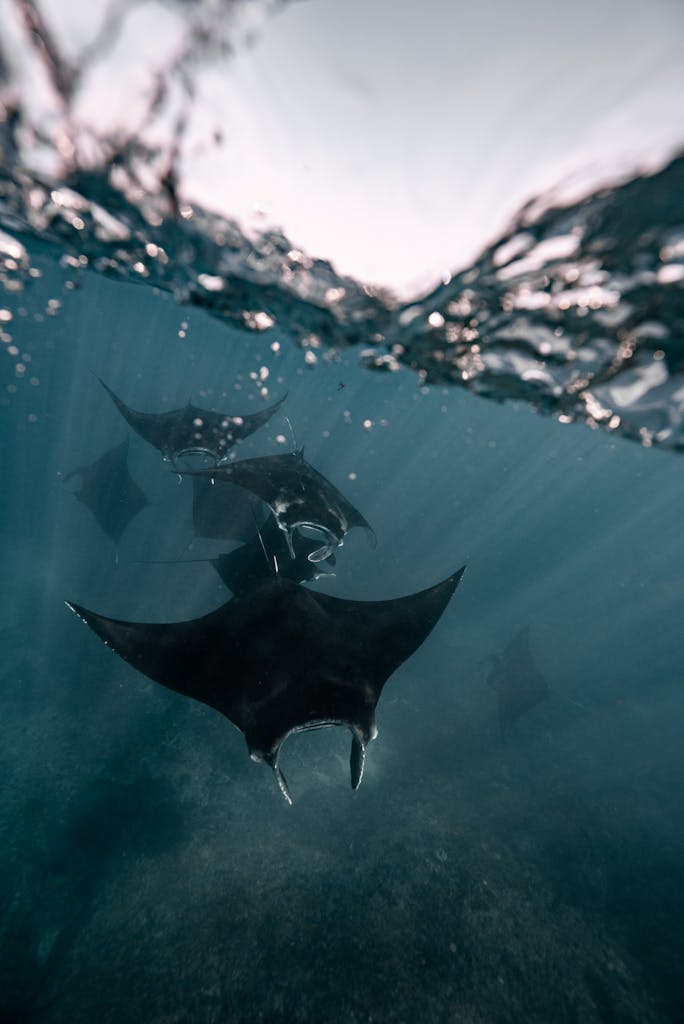
A Sixth Sense:
Stingrays and sharks have an extra sense, a literal sixth sense, called the Ampullae of Lorenzini. These are tiny, gel-filled pores around their snouts that allow them to detect the faint electrical pulses produced by other living things.
It helps them locate prey hidden beneath sand, like nature’s built-in metal detector, and some researchers even believe they can pick up subtle human energy fields. There’s even speculation (though not yet proven) that they can sense the sex of an unborn baby. Either way, it’s seriously cool stuff.
Babies and Bad Mums:
Stingrays reach sexual maturity anywhere between 1 and 15 years old, depending on species and environment. Their pregnancies last around 3–4 months, but here’s the kicker, they can pause their pregnancy.
Through a process called diapause, mumma stingrays can temporarily halt the development of her pups if conditions aren’t ideal, like lack of food, stress, or seasonal changes. Basically, she’s saying, “Not today, thanks.”
When she eventually does give birth, that’s the first and last time she sees her babies. Stingray pups are born fully equipped to survive solo, no babysitting, no nappies, no tuition fees. Straight into the wild, fully self-sufficient. An adaptation that many human mums have silently prayed for during sleepless nights with a newborn.
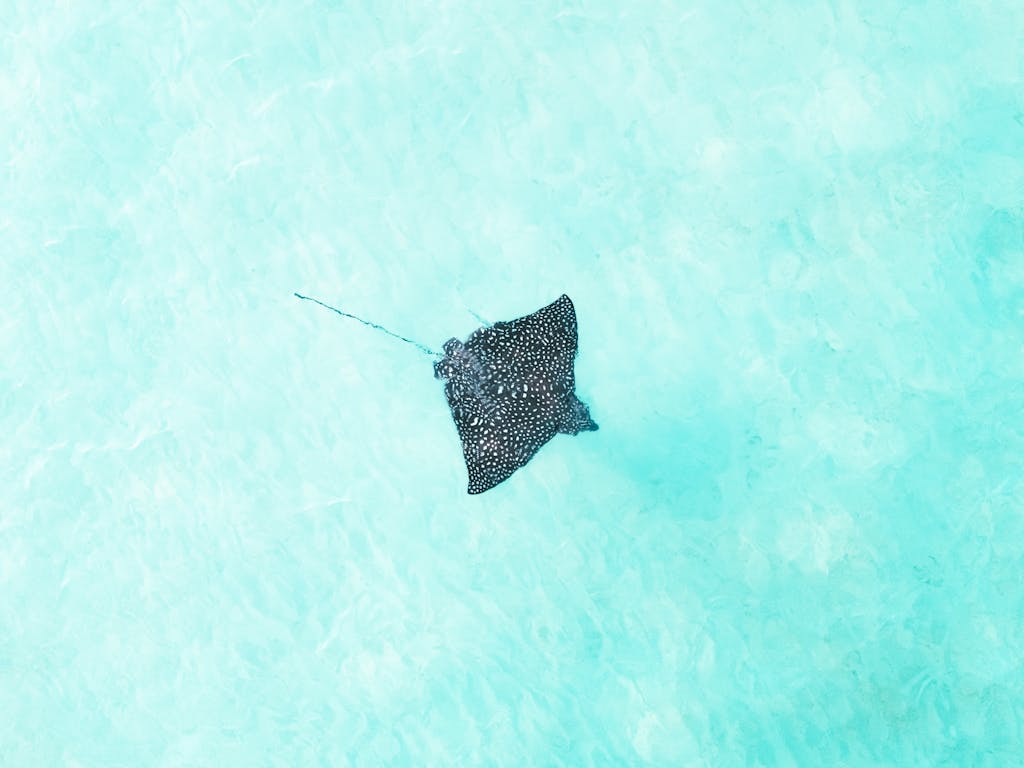
Why We Need Stingrays More Than They Need Us
Stingrays aren’t just cool, they’re ecosystem engineers. As they flap along the seabed, they stir up sediment and nutrients, creating microhabitats and redistributing energy through the water column, a process called bioturbation.
This helps smaller organisms thrive, oxygenates the seafloor, and supports the balance of entire coastal ecosystems.
They’re also a vital link in the food web:
- Predators: Feeding on worms, crustaceans, and small fish
- Prey: For larger species like sharks
- Energy movers: Connecting shallow and deep-water ecosystems by moving between them
Without stingrays, the ripple effect would be huge, disrupted sediments, collapsing food chains, reduced biodiversity, and weakened fisheries.
Threats to Stingrays:
Sadly, stingrays face multiple threats, including:
- Overfishing: Both targeted and as bycatch
- Habitat loss: From coastal development, mangrove destruction, and seagrass removal
- Pollution: Runoff and waste degrading their environment
- Climate change: Rising temperatures altering their metabolism and reproduction
- Human activity: Boat strikes, fishing gear entanglement, and unsustainable tourism (like hand-feeding rays) that changes their behaviour
Many stingray species, like the giant freshwater stingray and the pearl whipray, that were already endangered, are now classified as threatened or near-threatened on the IUCN Red List. Their slow reproduction and long lifespans make recovery tough once numbers drop.
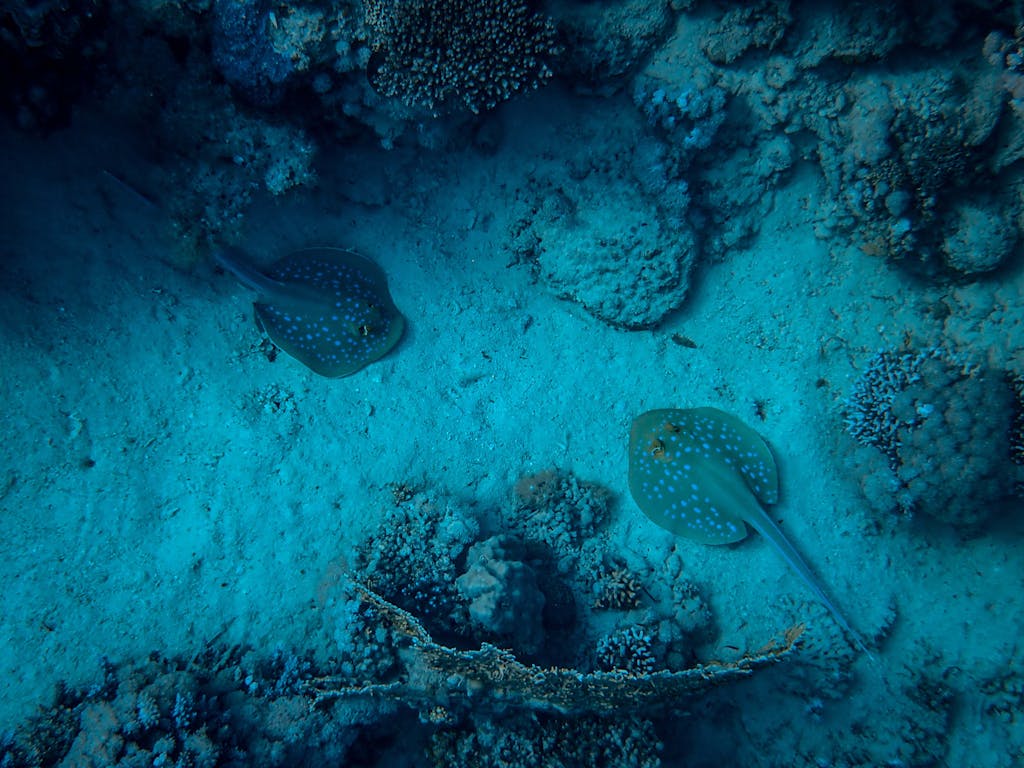
How Can We Be Better Ocean Allies for Stingrays?
If we want to protect these ancient ocean gliders, we’ve got to start acting like better guests in their home. Here’s how we can help:
- Shuffle, don’t step. When wading into shallow water, do the stingray shuffle. Drag your feet gently through the sand to alert any rays hiding below so they can swim away instead of stinging defensively.
- Support sustainable seafood. Choose seafood certified by the MSC or caught using low-impact methods. Reducing bycatch helps protect rays and other non-target species.
- Say no to stingray souvenirs. Products made from stingray skin or leather might look fancy, but they fuel overfishing and illegal wildlife trade.
- Respect wild rays. Avoid hand-feeding stingrays or touching them in the wild. It might seem fun for a selfie, but it alters their natural behaviour and makes them more vulnerable to disease.
- Reduce your plastic footprint. Every bit of rubbish that ends up in the ocean can harm marine life. Reuse, recycle, and switch to ocean-safe products.
- Spread awareness. The more people understand how important stingrays are, the more protection they’ll receive. Share, talk, educate, be that salty advocate.
A Future Without Stingrays:
Imagine a world without stingrays.
The seafloor becomes stagnant and suffocating. Worms and crustaceans vanish. Fish populations plummet. Coastal biodiversity collapses.
No bioturbation means no oxygenated sediment. No oxygen means fewer organisms can survive, and fewer life forms means weaker ocean ecosystems, the very systems we rely on for food, oxygen, and balance. It would also mean a significant rise in jellyfish species, and no one wants an ocean full of brainless blobs.
Losing stingrays would mean losing a vital piece of ocean machinery that’s been working flawlessly for millions of years.
The Final Ripple
Stingrays might not roar like sharks or leap like dolphins, but they quietly keep our oceans alive. They’re not villains, they’re caretakers. Ancient, slimy, and stunningly vital caretakers.
So next time you spot a stingray gliding gracefully across the sand, take a second to appreciate it, not as a threat, but as one of the ocean’s most underrated heroes.
Just… maybe still don’t step on its tail.
https://shorturl.fm/vOjd8
https://shorturl.fm/fikEw
https://shorturl.fm/4nbUd
https://shorturl.fm/NM7Pc
https://shorturl.fm/jP4CG
https://shorturl.fm/DqCFB
https://shorturl.fm/ba9Sc
https://shorturl.fm/3spK8
https://shorturl.fm/0zC1w
https://shorturl.fm/WmJjn
https://shorturl.fm/TbMW2
https://shorturl.fm/IXKl7
Добрый день всем! Намечаю поездку в Калининград и меня волнует погодой и купальным сезоном. Кто может сказать, какая температура моря в Калининграде летом и получится ли купаться в Балтийском море в августе? Также любопытно, когда приходит сезон в Калининграде и какова стандартная температура зимой, чтобы решить, стоит ли ехать в морозное время. Буду рад за пожелания и рекомендации по объектам, например, стоит ли зайти в Форт 11 или на Янтарный пляж.
Если кто-то продумывал маршрут по Калининграду, подскажите, куда лучше сходить вечером и какие интересные улицы стоит точно увидеть. Интересуют и укрепления Калининградской области, и культурные центры, особенно Музей янтаря (вот, кстати, важная инфа [url=https://school16vlad.ru/]балтийское море в калининграде[/url] ). Кроме того, для отдыха с детьми в Светлогорске какие объекты и кафе посоветуете? Обязательно мечтаю посетить органный зал в Кафедральном соборе — может кто бывал на выступлениях?
https://shorturl.fm/4f8Sj
https://shorturl.fm/5G8Nx
https://shorturl.fm/fAo5v
https://shorturl.fm/wyOAI
https://shorturl.fm/eljDo
https://shorturl.fm/rUFss
https://shorturl.fm/mBbl6
https://shorturl.fm/RgSva
https://shorturl.fm/ZbJiS
При планировании поездку в Калининград, однозначно посетите центральную часть с его удивительной архитектурой и главные достопримечательности, например кафедральный собор с выступлениями органистов и форты, допустим, форт Дёнхофф (фото легко найти в интернет-пространстве). Фанаты природы будут в восторге от дикие пляжи данной области и маршруты для пеших прогулок по городу, а для детей будет занимательно заглянуть в городской зоопарк — не забудьте уточнить время работы и тариф заранее [url=https://superotvet.ru/]архитектура калининграда[/url] .
Говоря о купального сезона, в Калининграде и на Куршской косе морская вода порядочно не очень теплая, но купаться допустимо уже с июня, особенно в разгар лета, когда показатели температуры достигает приемлемых значений. Советуем также заглянуть в квартал Рыбная деревня и отведать локальные блюда, в том числе традиционные клопсы. Если планируете разнообразить каникулы, допустимо легко переместиться на электричке до популярных мест, где обнаружатся отличные пляжи и площадки для осмотра.
https://shorturl.fm/9VA9G
https://shorturl.fm/UdE02
https://shorturl.fm/Gifqr
https://shorturl.fm/Ib59l
Promote our brand, reap the rewards—apply to our affiliate program today!
Sign up and turn your connections into cash—join our affiliate program!