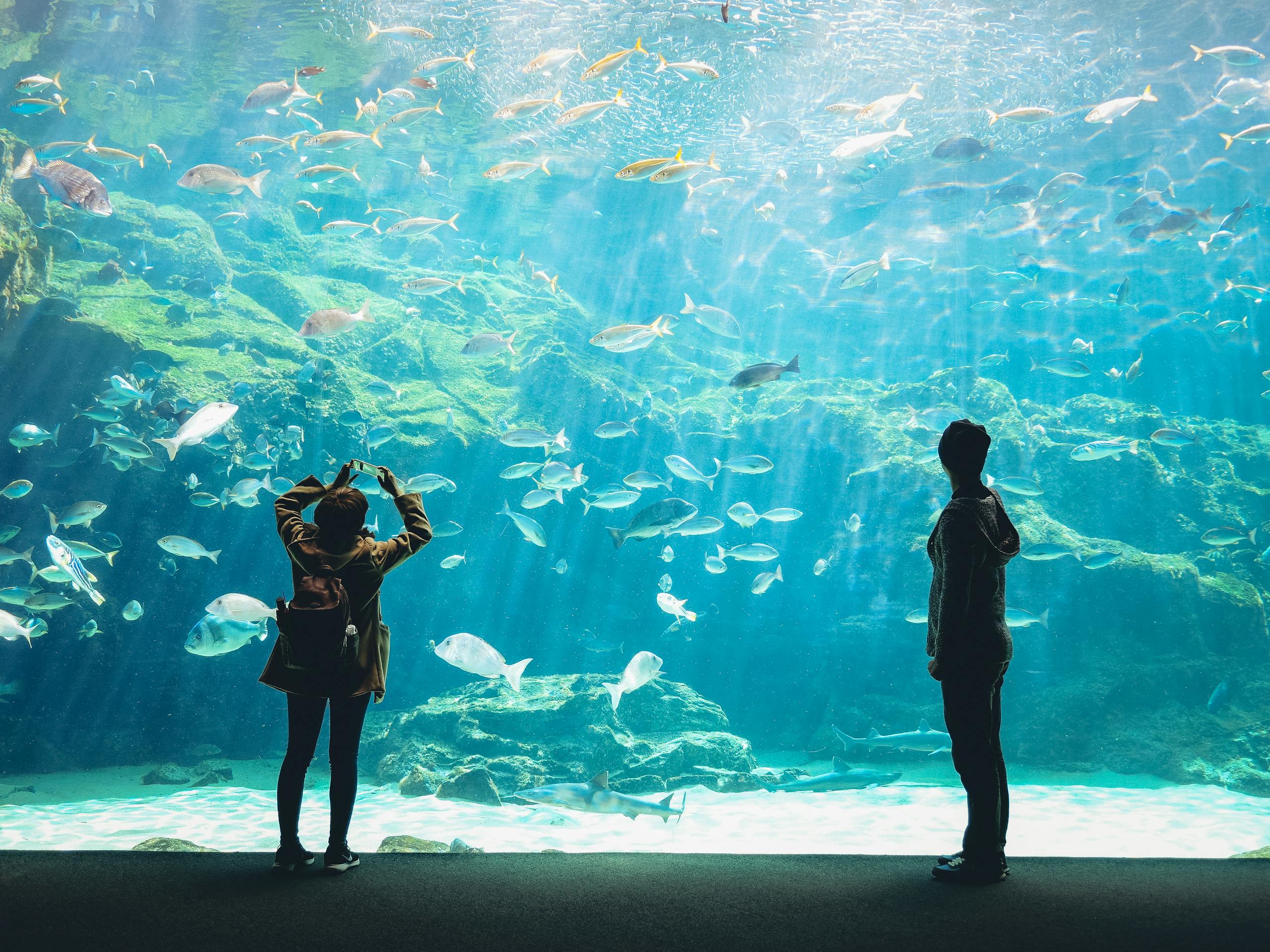
The dark side of the tank: The ocean you don’t see behind the glass
Aquariums are often presented as windows into the ocean, places where people can admire marine life, learn about conservation, and connect with species they would never otherwise see. And in many ways, that is true. They can inspire curiosity, education, and care for the ocean.
But what we are shown is only part of the story.
Behind the glass is a global system built on trade, extraction, and compromise, one that is far more complex than it first appears.
What is an aquarium, really?
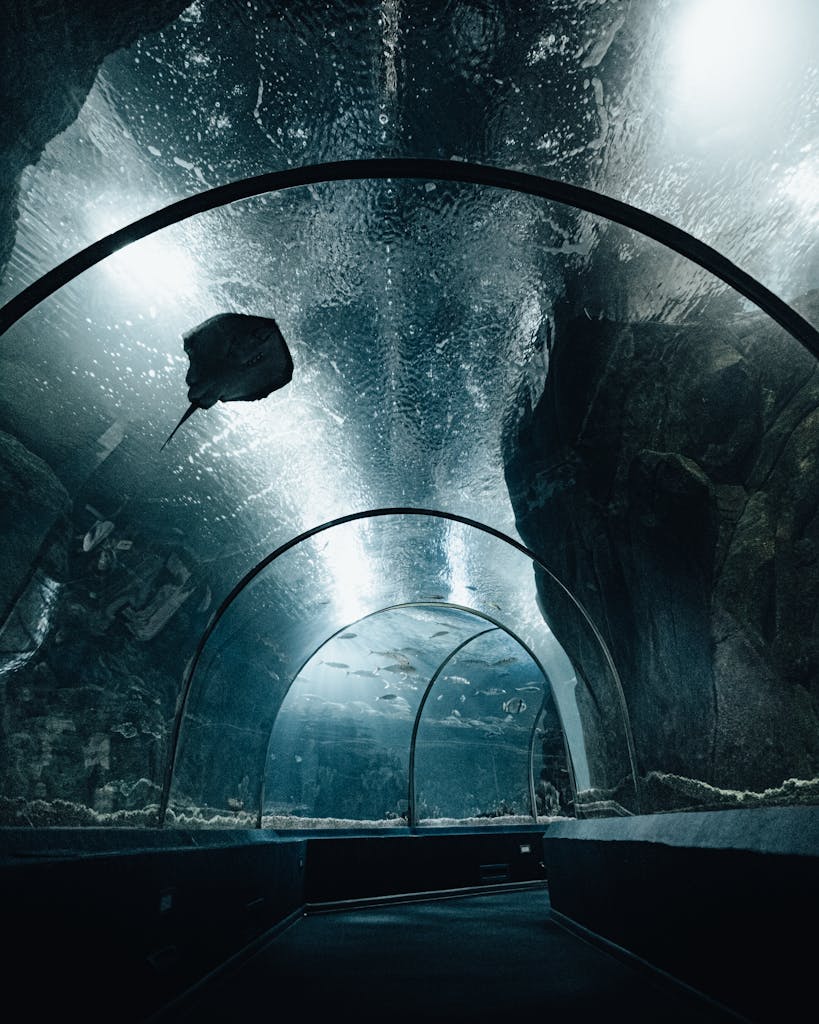
An aquarium is a controlled aquatic environment designed to house and display marine and freshwater species. These range from small home tanks to massive public institutions such as the Chimelong Spaceship Aquarium in Zhuhai, China, which holds over 75 million litres of water.
It is estimated that millions of people keep marine aquariums globally, and the ornamental fish trade generates hundreds of millions of dollars annually.
But behind this industry sits a key question: Are aquariums truly protecting ocean life; or quietly exploiting it?
My perspective from inside the industry:
My fascination with the ocean started young. I spent hours watching fish in my family’s tank, completely captivated. That curiosity led me to study Marine Biology at the University of Exeter, complete my PADI Divemaster training in Thailand, and eventually work as an aquarist in a shark and ray conservation centre.
From the outside, I believed I was stepping into a space dedicated to education and conservation. And in many ways, it was.
But working behind the scenes revealed something more complicated, where idealism, industry pressure, and animal welfare often collide.
It was a perspective shift I didn’t expect: the realisation that being “behind the tank” means seeing what the public never does.
The aquarium trade: Beauty with a hidden cost:
One of the least discussed realities of the aquarium industry is how strongly it is shaped by trends.
Media, films, and popular culture can directly influence demand for certain species, both in public aquariums and private home tanks.
After Finding Nemo, clownfish became highly sought after. Early concerns suggested wild populations could be affected. Later research showed a more complex reality: while localised pressures existed, increased awareness also boosted conservation messaging and captive breeding efforts.
This highlights an important truth:
The aquarium trade is not purely harmful or beneficial, it is complicated, and outcomes depend heavily on context.
But complexity doesn’t remove responsibility.
How are fish collected?
The global aquarium trade relies heavily on wild collection, particularly for marine species that are not yet widely captive-bred.
Common methods include:
- Hand netting: targeted capture using nets to minimise damage
- Barrier nets: herding fish into confined areas
- Small traps: used for bottom-dwelling species
- Hand collection: for slow-moving invertebrates like starfish and crustaceans
When done responsibly, these methods can reduce habitat damage and allow selective harvesting.
But demand changes everything.
Rare, colourful, or high-value species are often prioritised, increasing pressure on already vulnerable populations, enough to give even Liam Neeson a full Taken-style meltdown.
And in some regions, where regulation is weak, illegal or destructive practices still occur.
CYanide fishing: The darker reality
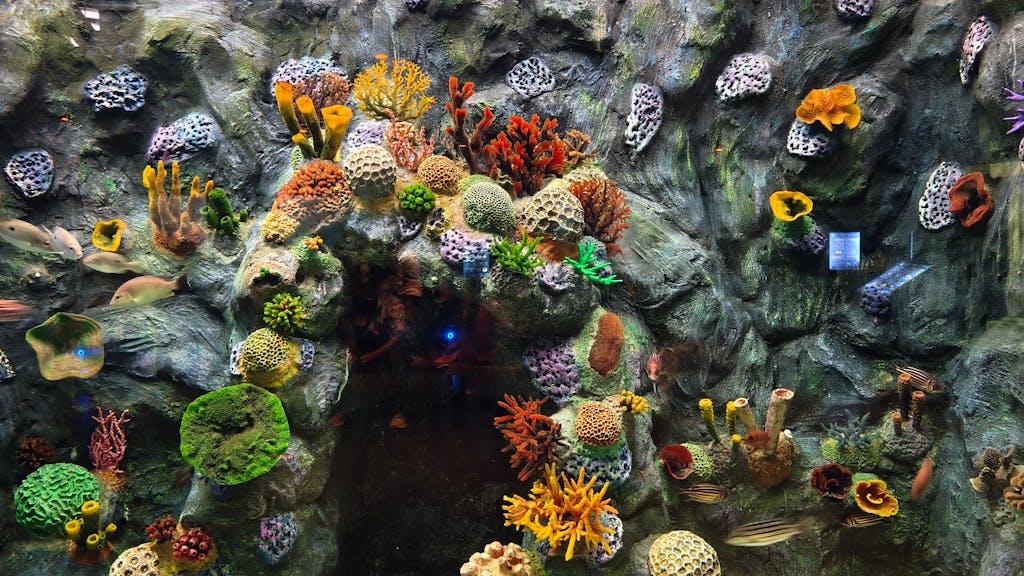
One of the most damaging practices linked to the aquarium trade is cyanide fishing.
This involves releasing cyanide into coral reefs to stun fish, making them easier to capture.
It is illegal in many places, but still used in parts of the industry due to its speed and efficiency.
The consequences are severe:
- Fish suffer extreme physiological stress and organ damage
- Mortality rates can reach 70–90% after capture
- Coral reef ecosystems are directly damaged
Even when fish survive capture, the long-term effects are often fatal.
The illusion of conservation:
Aquariums often present themselves as conservation centres, and in some cases, they genuinely are.
But the supply chain behind them tells a more complicated story.
Many marine species are still wild-caught because captive breeding is not yet viable for all species. This creates ongoing extraction pressure from natural ecosystems.
Even with good intentions, the system relies on constant supply.
And that raises a difficult question:
Can conservation truly exist within a system that still depends on removal from the wild?
Life in captivity:
Survival doesn’t end at capture.
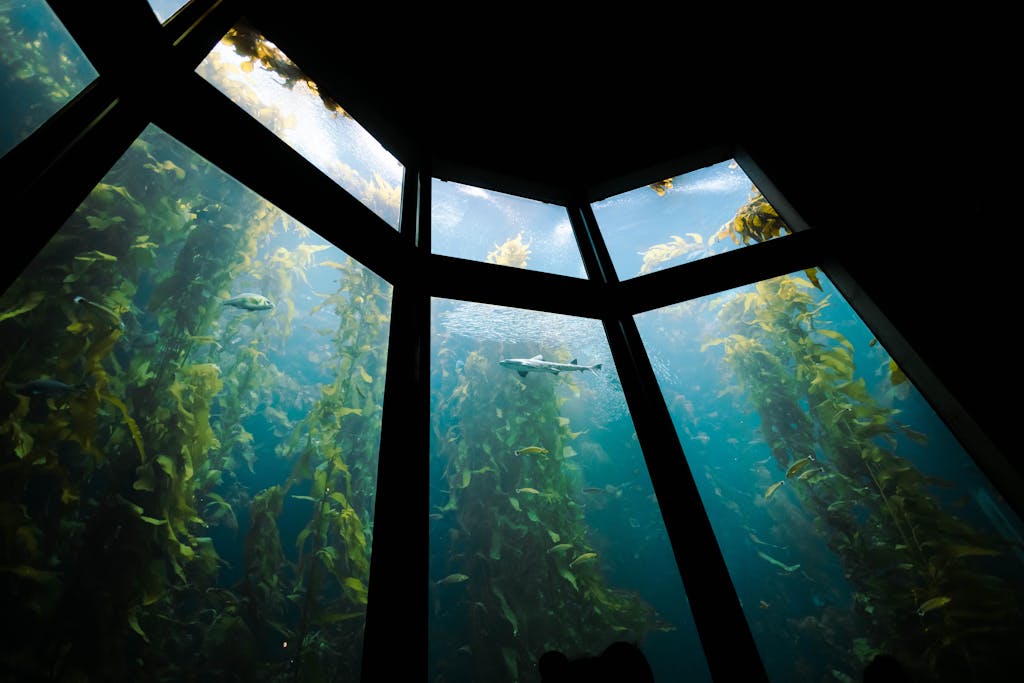
For many marine species, captivity introduces a completely different set of challenges:
- Artificial environments that cannot replicate natural ecosystems
- Restricted space and altered social structures
- Chronic stress behaviours such as repetitive swimming patterns
- Difficulty meeting species-specific behavioural needs
Highly intelligent animals such as octopus and sharks are particularly affected.
Even in well-managed facilities, the gap between wild and captive environments remains significant.
In some cases, animals do not survive long after introduction due to stress, disease, and environmental mismatch.
When entertainment becomes ethical grey area:
The use of marine animals in performance-based captivity has also drawn global scrutiny.
Incidents such as the death of trainer Dawn Brancheau at SeaWorld during an interaction with the orca Tilikum in 2010 intensified debate around marine mammal captivity, trainer safety, and animal welfare.
While many facilities now use positive reinforcement training, critics argue that entertainment-based conditioning can still prioritise performance over welfare, particularly for highly intelligent species.
This has contributed to a wider shift in how the public views marine animal entertainment.
Not all aquariums are the same:
It is important not to treat all aquariums as equal.
Some institutions are actively contributing to conservation, research, and restoration efforts.
For example, the StAR Project (Stegostoma tigrinum Augmentation and Recovery) is a global initiative focused on restoring zebra shark populations through captive breeding and rewilding. Participating aquariums, including Irukandji Shark & Ray Encounters, have contributed eggs for release into protected marine areas.
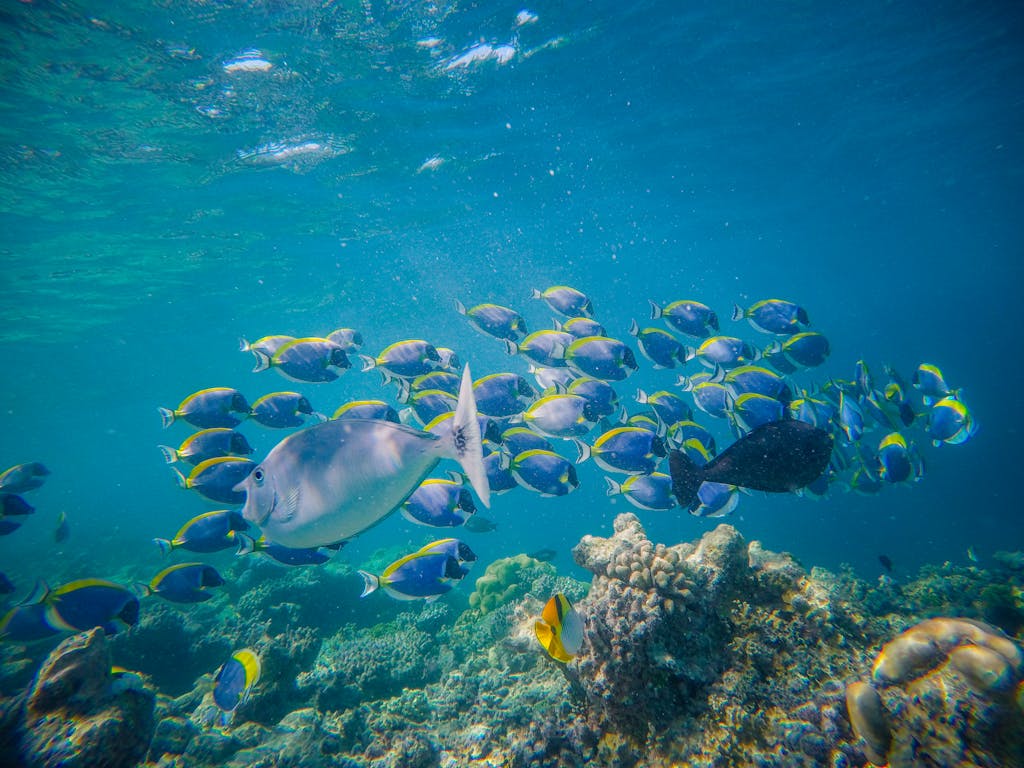
Similarly, the Monterey Bay Aquarium has driven major conservation impact through its Seafood Watch programme, sea otter rehabilitation, and global marine policy advocacy.These examples matter, they show what aquariums can become when conservation is prioritised.
The real problem: A global trade system
The core issue is not individual aquariums.
It is the global wildlife trade that supplies them.
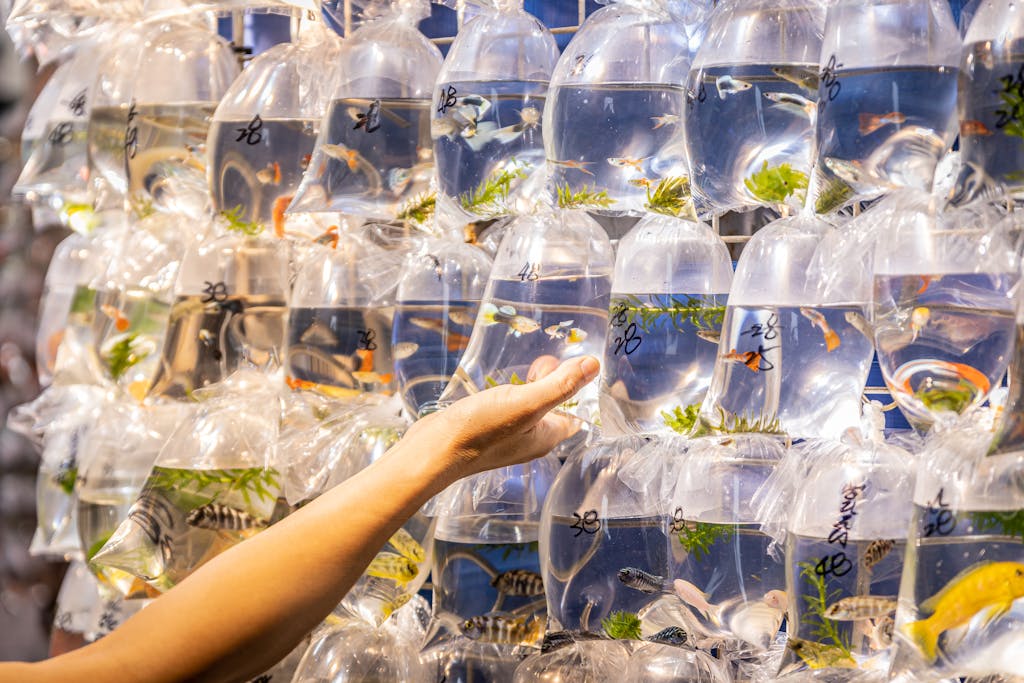
Billions of marine organisms are traded internationally each year for public display, private ownership, and tourism. In many regions, regulation is inconsistent or poorly enforced.
As demand increases, so does pressure on ecosystems.
And when profit outweighs ecological responsibility, the ocean pays the price.
So what do we do?
The goal is not to reject aquariums entirely.
It is to engage with them critically.
We can:
- Support aquariums focused on rescue, rehabilitation, and conservation
- Avoid impulse-buying marine pets
- Research whether species are captive-bred or wild-caught
- Question sourcing and transparency
- Stay critical of “conservation” as a marketing label
Change begins with awareness. And awareness changes demand.
Final thought:
Aquariums can be powerful tools for education and connection. They can inspire people to care about oceans they may never see firsthand.
But they are also part of a global system that is often hidden, complicated, and sometimes harmful.
True conservation cannot exist without honesty.
Because behind every perfect tank is a story the ocean didn’t get to keep.



https://shorturl.fm/7xNkZ