

Sustainable Shark fisheries: Solution or just a nice sounding lie?
Killing sharks can be sustainable, even beneficial.
The problem? Most of the time, it isn’t.
Coming from a self-confessed shark fanatic, I know how that sounds. But after years of digging into the realities of the global shark fishing industry, one thing has become clear: this isn’t a simple good vs bad narrative.
Poorly managed fisheries, brutal practices, and profit-driven exploitation have pushed many shark populations to the brink. That much is undeniable.
But what if shark fisheries were actually managed properly?
What would that mean for the future of our oceans?
Could sustainable shark fisheries play a role in long-term ocean health,or are they just a convenient label used to justify overexploitation?
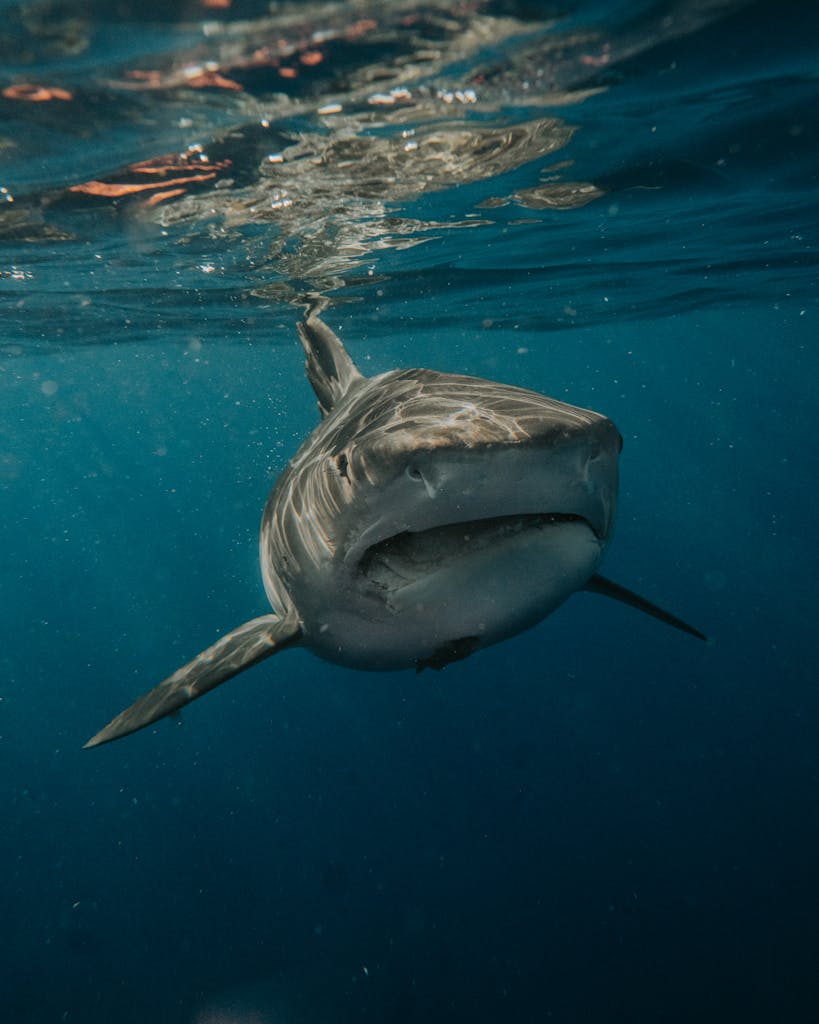
Sharks matter (a lot)
Before we get into the nitty gritty, let’s take a step back and look at what sharks actually are, and why they’re such powerhouses of the ocean.
Sharks belong to a group called elasmobranchs, a lineage that’s been evolving for hundreds of millions of years. Unlike most fish, their skeletons are made of cartilage, the same flexible material found in our noses and ears, rather than bone.
And they’re anything but one-size-fits-all. Sharks vary hugely in size, diet, and appearance, from 18-metre giants to species barely 20cm long. With over 500 species cruising through our oceans, it’s no wonder people don’t fully understand them.
What people do think they know is often shaped by headlines. And headlines love fear. Tiger sharks, bull sharks, great whites, these are the names that surface when rare interactions with humans occur, often framed as attacks rather than accidents. (If you want to unpack that properly, check out Justice for Jaws: Why sharks deserve better PR.)
But here’s the reality:
An ocean without sharks is an ocean out of balance.
As apex predators, sharks regulate entire ecosystems. They keep prey populations in check, protect habitats like coral reefs and seagrass meadows, and even influence how carbon is stored in the ocean. If you remove sharks from our oceans, you don’t just lose a species, you start to unravel entire systems.
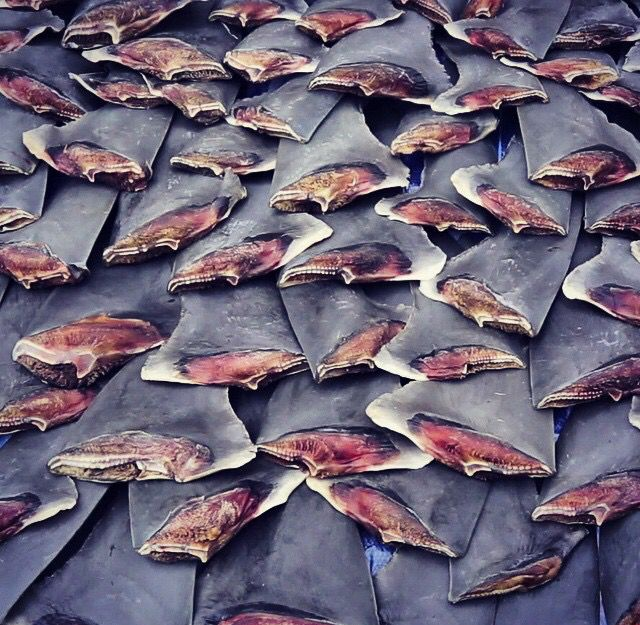
So… why are we fishing them?
I love sharks. Ideally, they’d be left alone to do their thing, undisturbed.
But that’s not the world we live in.
Across the globe, millions of people depend on fisheries for food and income. Fishing isn’t going anywhere, and pretending it should isn’t a solution, it’s an oversimplification.
So the question isn’t whether shark fishing exists.
It’s this:
Can we do it without destroying them?
Because “sustainable” is a word that gets thrown around a lot, on labels, in policy, in conversations like it solves everything.
But most of the time? It’s vague at best, misleading at worst.
So what actually is sustainability?
Sustainable fishing isn’t a vibe. It’s a limit.
At its core, it means taking sharks from the ocean at a rate that allows their populations to recover and remain stable over time. And for animals that grow slowly, mature late, and produce very few offspring that margin is extremely tight.
Done properly, it looks like:
- Catch rates staying below reproduction rates
- Real monitoring and enforcement, not just rules on paper
- Protection for vulnerable, slow-growing species
- Minimal bycatch
Because the second those things slip, it stops being sustainable.
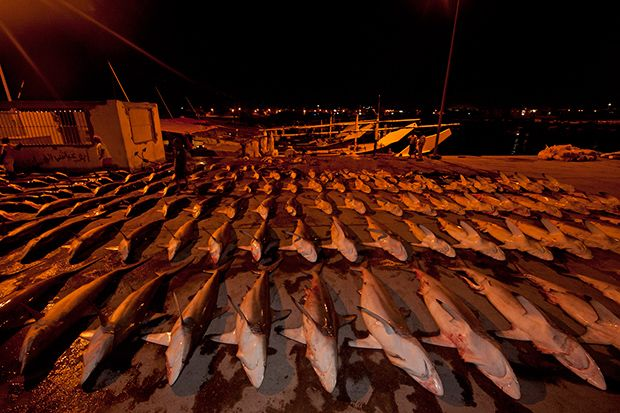
The Case for Sustainable Fisheries (The Uncomfortable Truth):
Here’s where it gets complicated… Completely banning shark fishing isn’t always the silver bullet people think it is.
In many parts of the world, shark fisheries aren’t just a choice, they’re a livelihood. In coastal communities, they provide both income and food security. Remove that overnight, and you don’t just “save sharks”, you risk pushing fishing underground, into illegal and unregulated systems that are far harder to control. If there’s demand, exploitation doesn’t disappear, it just goes unseen. And here’s the nuance: when fisheries are properly managed, they can actually support conservation. Align economic incentives with sustainability, and behaviour changes. In some cases, regulated systems have reduced fishing pressure while improving incomes. That’s the sweet spot. Conservation that doesn’t ignore human reality.
But here’s the problem…
If sustainable shark fishing is possible, why are so many populations still declining?
Because most fisheries aren’t operating anywhere near that ideal.
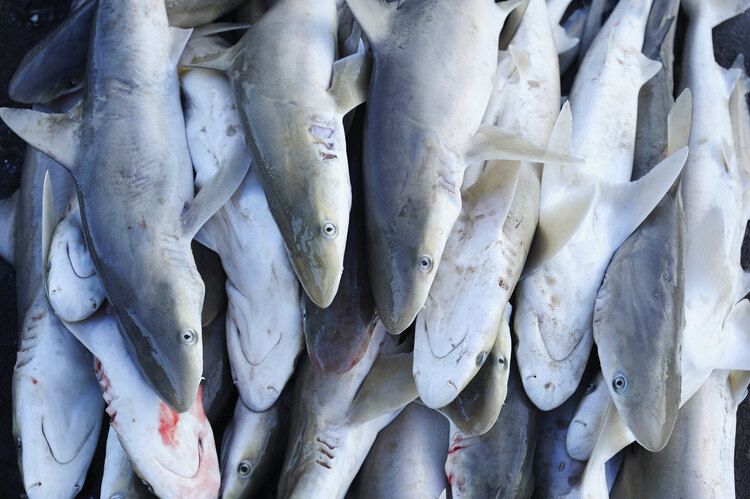
Around one-third of shark and ray species are threatened with extinction, largely due to overfishing. That’s not a niche issue but a complete system failure.
Why?
- Sharks are biologically vulnerable
- Data is often incomplete or missing
- Enforcement is weak or inconsistent
- Bycatch is widespread
- Global demand is still high
A quota means nothing if no one enforces it.Data means nothing if it’s inaccurate. “Sustainable” means nothing if it’s not actually happening.
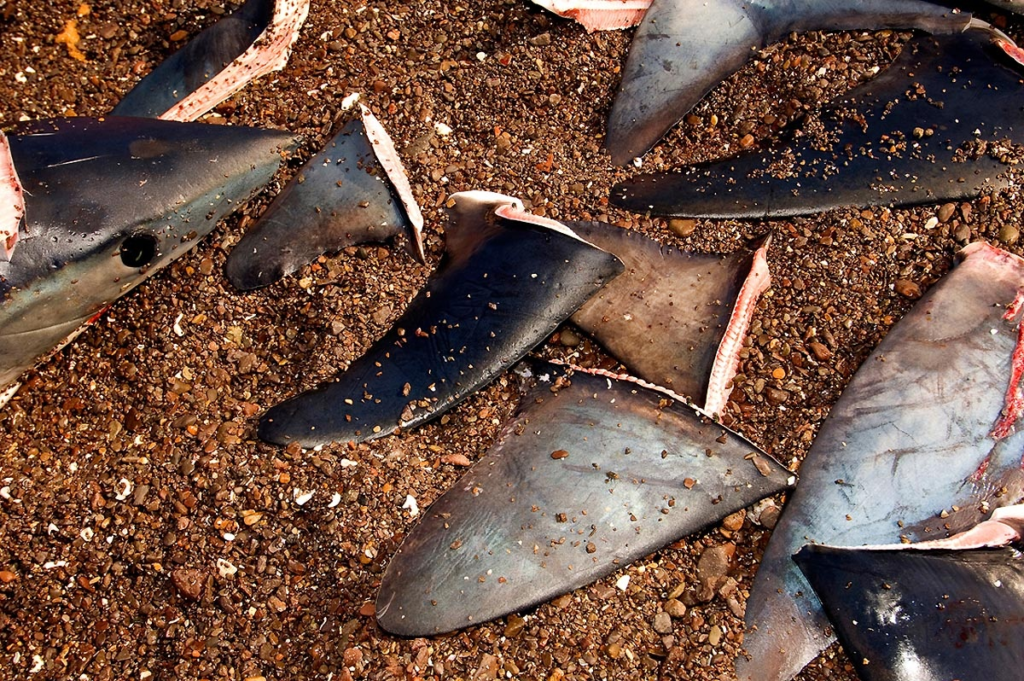
Why sharks are hard to fish sustainably:
Here’s the core issue:
Sharks aren’t built for heavy fishing pressure.
Unlike fast-growing species like tuna or sardines, sharks are slow-growing, late to mature, and produce very few young. Some take over a decade to reproduce. Which means when populations drop, they don’t bounce back, they crawl. Take the Oceanic Whitetip Shark. Once one of the most abundant predators in the open ocean, its population has declined by over 90% in some regions due to fishing pressure. A complete population collapse and borderline extinction threat. This is just one of many examples which highlights how small the margin for ‘sustainable’ really is.
So… are sustainable shark fisheries the way forward?
Here’s the honest answer:
Yes.
However, the execution is difficult and requires scientific, governmental and citizen participation for successful and long term management. We know it can work. There are places where strong governance, strict quotas, and proper enforcement are keeping populations stable. Simply labelling something as ‘sustainable’ doesn’t mean anything without the evidence to back it. For this to be successfully implemented globally we need data and support from EVERYONE, so no more ‘this isn’t my problem’ or ‘how can I save our sharks’. Well, you can, spread the word and continue to educate yourselves about sharks and their importance.
What would actually make them sustainable?
If we’re serious about doing this properly, the bar needs to be high.
Not vague promises. Not greenwashing.
Actual, science-led management:
- Species-specific quotas
- Bans on finning
- Marine protected areas (MPAs)
- Real monitoring and enforcement
- Accurate, species-level data
- Consumer awareness and pressure
Because sustainability isn’t about intention.
It’s about execution.
Time to wrap it up:
Sustainable shark fisheries aren’t impossible. But simply calling something “sustainable” doesn’t necessarily make it so.
And right now?
The ocean is paying the price for that lie.
Because the difference between sustainable and unsustainable isn’t intention, it’s impact.




https://shorturl.fm/IzEYg